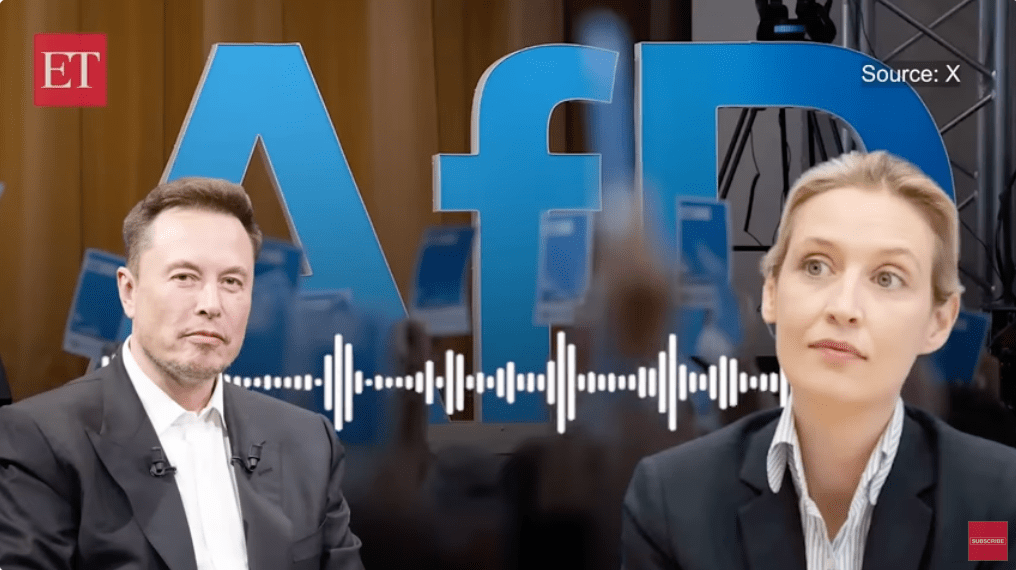
Elon Musk, the visionary CEO of Tesla and SpaceX, recently engaged in a thought-provoking conversation with Alice Weidel, a leader in Germany’s Alternative für Deutschland (AfD) party. While their discussion spanned a range of topics, this article focuses exclusively on their exchange about energy policy—a critical issue for both Germany and the world.
Germany’s Energy Crisis
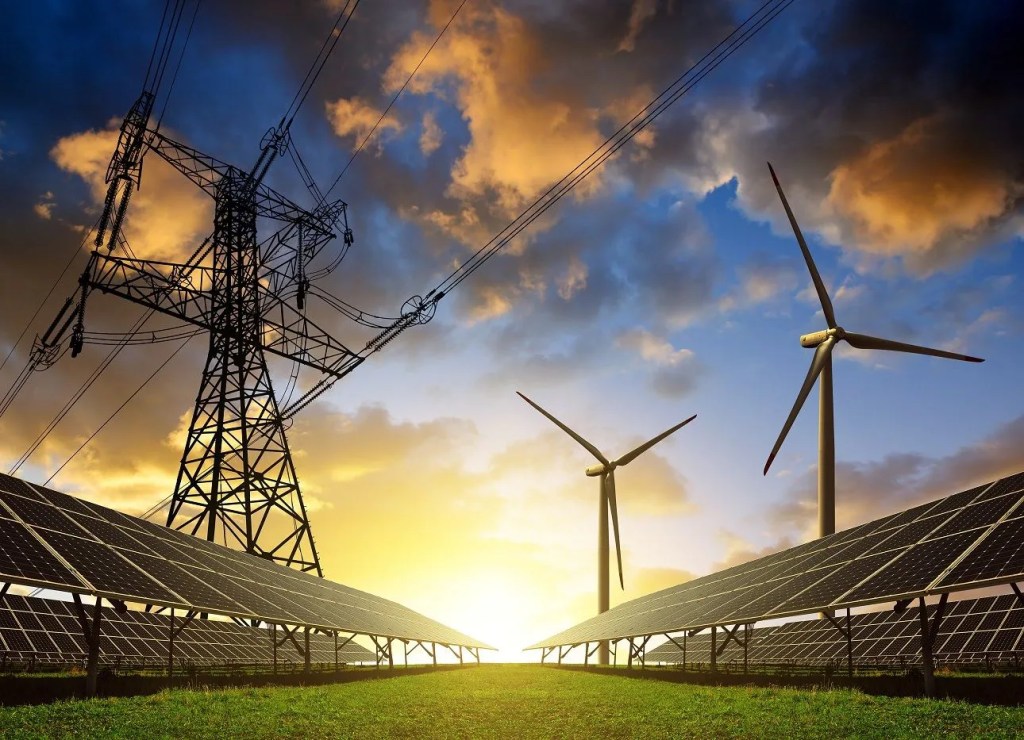
Weidel began by sharply criticizing Germany’s energy policy under Angela Merkel’s leadership and the subsequent traffic-light coalition government. She described the decision to phase out nuclear power and rely heavily on solar and wind energy as catastrophic for the country’s industrial base. “You cannot run an industrial country like Germany on just wind and solar,” Weidel argued, highlighting the intermittent nature of these energy sources.
Musk agreed, emphasizing that countries in high latitudes, like Germany, face significant challenges with solar power due to reduced sunlight during winter. He noted that while renewables are essential for the future, they must be supplemented with other energy sources to ensure a reliable power supply.
The Role of Nuclear Power
A significant portion of the conversation revolved around the potential of nuclear energy. Both Musk and Weidel lamented Germany’s decision to decommission its nuclear power plants. Musk called it a “tragic mistake,” arguing that modern nuclear plants are safe, efficient, and capable of producing vast amounts of carbon-free energy.
“The core of a nuclear power plant is incredibly small,” Musk explained, adding that existing plants could dramatically increase their energy output without requiring additional land. He advocated for not only reopening Germany’s nuclear facilities but also expanding their capacity to meet the country’s energy needs sustainably.
Weidel echoed these sentiments, describing nuclear power as an essential component of a diversified energy strategy. She pointed out that Germany’s current approach has led to skyrocketing energy costs, harming both consumers and the manufacturing sector. “Our manufacturing production peaked in 2018 and has plummeted since then due to high energy costs,” she noted.
Challenges with Wind and Solar
Weidel provided a striking comparison to illustrate the inefficiency of wind energy. Replacing a single nuclear power plant with wind turbines, she explained, would require 1,250 turbines with a rotor diameter of 70 meters each, consuming approximately 100 square kilometers of land. This, she argued, demonstrates the unsustainable land-use requirements of wind energy at scale.
Musk reinforced this point by highlighting the need for a balanced approach. While he praised the advancements in renewable technologies, he emphasized that reliance on wind and solar alone is insufficient. “The sensible solution is a mix of renewables, nuclear, and some amount of hydrocarbon energy for backup,” he stated.
Germany’s Dependence on Russian Gas
The discussion also touched on Germany’s reliance on Russian gas, which became a critical issue during the Ukraine war. Weidel criticized the government’s decision to shut down the last nuclear power plants during a time of heightened energy insecurity, calling it “insane.” Musk agreed, describing the move as one of the “craziest” decisions he had ever witnessed.
Germany’s dependence on imported energy, particularly natural gas from Russia, has exposed vulnerabilities in its energy policy. Both Musk and Weidel emphasized the importance of energy independence, with Musk suggesting that nuclear power could play a pivotal role in reducing reliance on external sources.
The Path Forward: Diversification and Innovation
Weidel’s vision for Germany’s energy future aligns closely with Musk’s broader philosophy of technological openness. She argued for a diversified energy strategy that includes nuclear, renewables, and innovative technologies.
Musk expanded on this idea by discussing the potential for advanced grid-scale batteries to store energy generated by renewables. However, he reiterated that these technologies must be complemented by stable baseload power sources, such as nuclear energy, to ensure grid reliability.
Broader Implications for Global Energy Policy
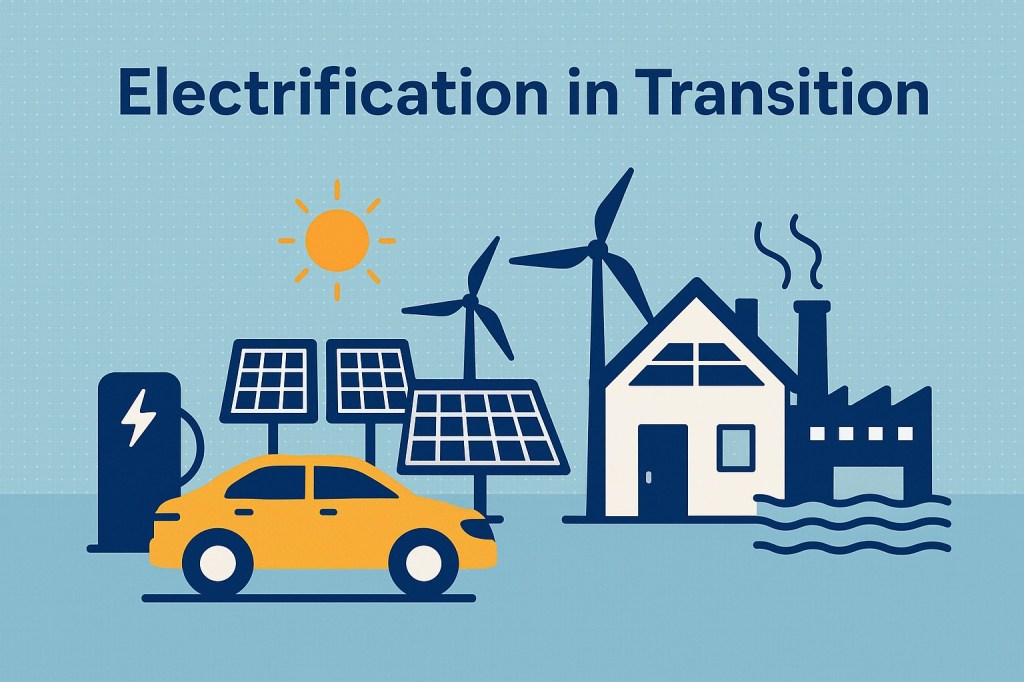
The conversation between Musk and Weidel highlights a broader debate within global energy policy: how to balance the need for decarbonization with the practical challenges of energy security and economic stability. Germany’s Energiewende, or energy transition, has been lauded as ambitious but criticized for its unintended consequences, including high costs and reliance on coal during renewable energy shortfalls.
Musk’s advocacy for nuclear energy as a critical part of the solution reflects a growing recognition of its potential to provide reliable, carbon-free power. Meanwhile, Weidel’s call for technological openness and reduced bureaucracy underscores the need for adaptive policies that prioritize innovation over ideological commitments.
Conclusion
The Musk-Weidel conversation serves as a compelling case study in the complexities of energy policy. While their perspectives differ in context—Musk as a global innovator and Weidel as a national politician—their shared emphasis on pragmatism and diversification offers valuable insights for policymakers worldwide.
As countries grapple with the twin challenges of climate change and energy security, the dialogue between Musk and Weidel underscores the importance of embracing a multifaceted approach. By combining renewables, nuclear, and innovative technologies, nations can chart a sustainable and resilient energy future.

 About Energy & Water
Leave a comment