
The agro-food sector plays a critical role in feeding the world’s population, but its operations are heavily dependent on energy, much of which comes from fossil fuels. This energy dependency has profound implications for global sustainability and climate change efforts. Examining both the global scale and the situation in the Netherlands provides insights into the magnitude of this reliance and the opportunities for transformation.
Globally, the agro-food sector consumes direct and indirect lots of energy. Around 70% is related to food processing and logistics, with the remaining 30% tied to primary agricultural production. Fossil fuels dominate this energy consumption, with diesel and gasoline fueling machinery and transportation, and natural gas used for the production of nitrogen fertilizers. The production of ammonia, a key component of nitrogen fertilizers, alone accounts for approximately 1-2% of global energy use, predominantly sourced from natural gas.
Energy consumption in agriculture varies significantly across regions. Developed nations with highly mechanized farming systems tend to use more energy per hectare or per unit of output than developing countries, where manual labor plays a larger role. However, as mechanization spreads and global fertilizer use increases, the energy demand in developing countries is rising rapidly. The reliance on fossil fuels has made agriculture and food production responsible for 10-12% of global greenhouse gas emissions, underscoring the sector’s role in the climate crisis.
In the Netherlands, a country renowned for its agricultural innovation and export capacity, the agro-food sector is one of the most energy-intensive industries. The Dutch agricultural sector consumed approximately 147.3 petajoules (PJ) of energy in 2021, representing about 4.91% of the country’s total energy consumption, which is estimated at around 3,000 PJ annually. The energy use in agriculture is dominated by the glastuinbouw (greenhouse horticulture) sector, which accounts for roughly 93% of the sector’s natural gas use. This high dependency is linked to the use of combined heat and power (CHP) systems to provide both heat and electricity for greenhouses.
The Dutch food processing industry adds another significant layer to the energy demand. This industry heavily relies on natural gas, which makes up over 70% of its energy consumption. The total energy use in the food processing industry is estimated at approximately 60 PJ annually, contributing around 2% to the national energy total. Together, the agriculture and food processing industries account for approximately 6.91% of all energy consumption in the Netherlands.
Despite the sector’s energy intensity, there are signs of progress. Since 1995, the total energy use in Dutch agriculture has remained relatively stable, even as production volumes have grown by 20%. This reflects significant improvements in energy efficiency. Additionally, the use of renewable energy in the agricultural sector has increased steadily, reaching 27.9 PJ in 2021. However, the transition away from fossil fuels is still in its early stages, with fossil energy remaining the dominant source.
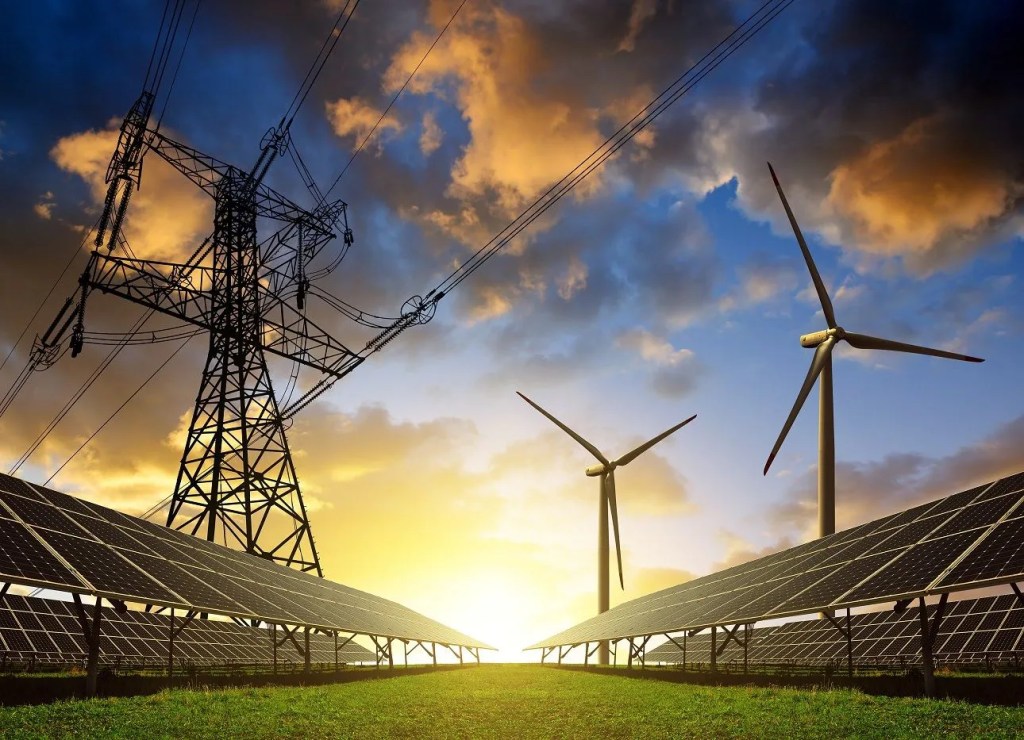
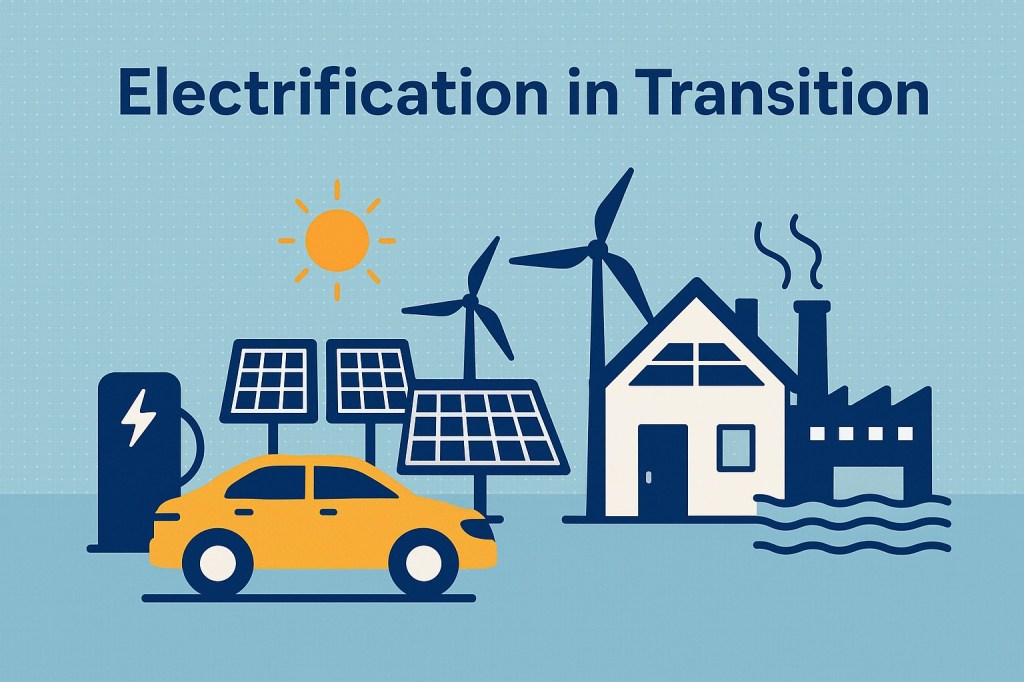
Globally and within the Netherlands, the challenges of reducing fossil energy dependency in the agro-food sector are substantial. The sector’s reliance on natural gas for fertilizer production and heating systems, as well as its use of diesel for machinery and transportation, highlights systemic challenges. However, innovations such as biogas production on farms, electrification of agricultural machinery, and a shift to renewable energy sources for processing and irrigation offer pathways to reduce this dependency.
In conclusion, the agro-food sector is both a vital part of the global economy and a significant contributor to energy consumption and greenhouse gas emissions. While global trends show a heavy reliance on fossil fuels, the Netherlands exemplifies both the challenges and opportunities for transformation. With targeted investments in renewable energy and efficiency measures, the sector has the potential to decouple productivity from environmental impact, paving the way for a more sustainable future. However, achieving this requires coordinated action at both national and international levels to accelerate the transition to low-carbon agricultural systems.


 About Energy & Water
Leave a comment