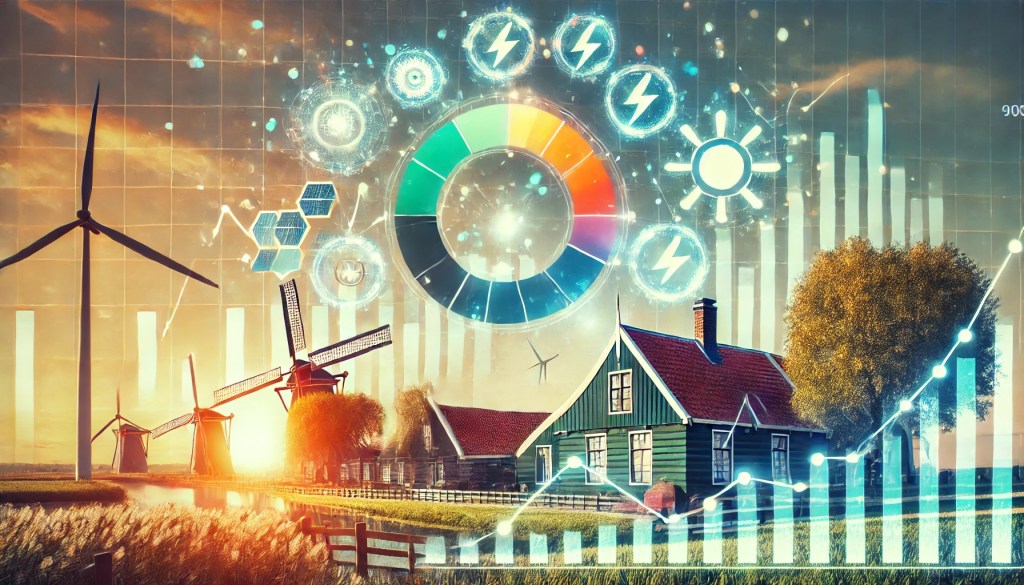
In 2018, I authored an article discussing the vast figures in the energy and climate debate, particularly focusing on the distinction between energy balance and energy consumption in the Netherlands. Given the significant developments in the energy sector since then, it’s pertinent to revisit and update these figures to reflect the current landscape.
Energy Units and Measurements
Energy is typically measured in Joules (J) and its multiples, such as kilojoules (kJ), megajoules (MJ), and petajoules (PJ). In practical applications, kilowatt-hours (kWh) are also commonly used. The relationship between these units is as follows:
- 1 kWh = 3.6 MJ
- 1 PJ = 277.78 GWh
Power, the rate at which energy is consumed or generated, is measured in watts (W), with common multiples being kilowatts (kW), megawatts (MW), and gigawatts (GW).
Energy Consumption in the Netherlands
In 2015, the Netherlands’ total energy consumption was approximately 2,400 PJ (657 TWh). By 2023, this figure had decreased to around 2,600 PJ, marking a significant reduction over the past decade. Longreads
This energy consumption is distributed across various sectors:
- Heat: 55% (primarily for buildings and industry)
- Transport: 25% (mainly road and air transport)
- Electricity: 20%
Projections indicate that the share of electricity in final energy consumption will rise to approximately 24% by 2030, driven by increased electrification in industries, transportation, cooking, and heating. Nationaal Klimaatplatform

Renewable Energy Growth
The share of renewable energy in the Netherlands has seen substantial growth. In 2023, renewable energy accounted for 17% of the total energy consumption, up from 15% in 2022. This increase is largely attributed to higher consumption of wind and solar energy, while biomass usage saw a slight decline. Centraal Bureau voor de Statistiek
In terms of electricity production, renewable sources contributed to 47% of the total electricity consumption in 2023, a notable rise from 40% in 2022. This growth is primarily due to significant investments in wind and solar energy infrastructure. Centraal Bureau voor de Statistiek

Energy Balance: Imports and Exports
The Netherlands maintains a dynamic energy balance, characterized by substantial imports and exports. In 2023, the country imported significant amounts of energy, predominantly crude oil and natural gas, while also exporting a considerable portion. This balance reflects the Netherlands’ role as a central hub in the European energy market.

Conclusion
The energy landscape in the Netherlands has evolved markedly since 2015, with a clear shift towards increased renewable energy consumption and a reduction in total energy use. These developments underscore the nation’s commitment to energy transition and sustainability goals.
Note: The figures presented are based on the most recent data available as of January 2025.

 About Energy & Water
Leave a comment