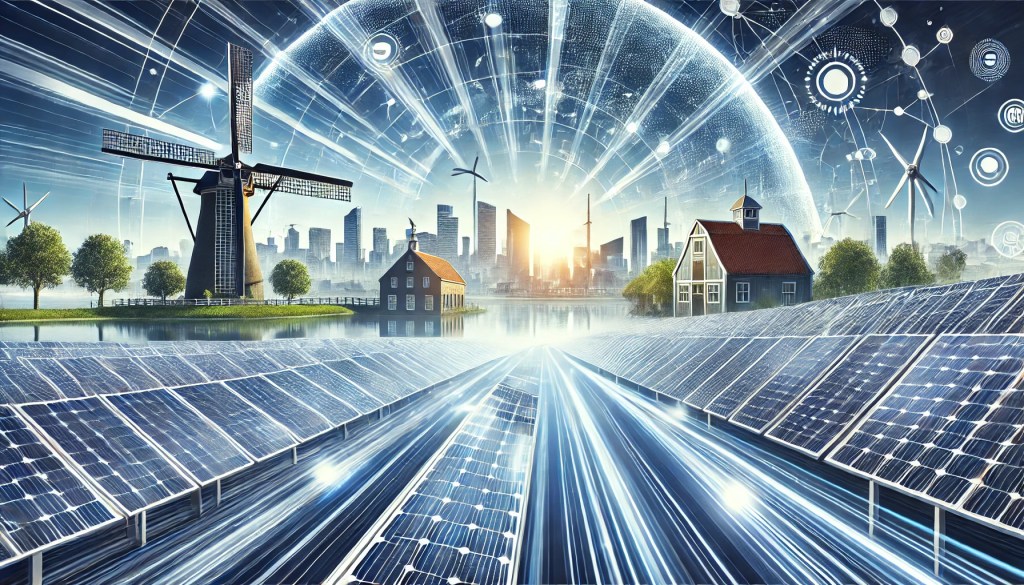
Solar energy is revolutionizing the global energy landscape, with nearly 10% of electricity worldwide now generated by solar power. The Netherlands is no exception. With ambitious renewable energy goals, the country is leveraging solar energy as a cornerstone of its energy transition. The passing of the shortest day of the year marks the start of longer solar PV (photovoltaic) production days, symbolizing the Netherlands’ commitment to sustainable energy.
Breaking Records: Solar PV’s Contribution in 2024
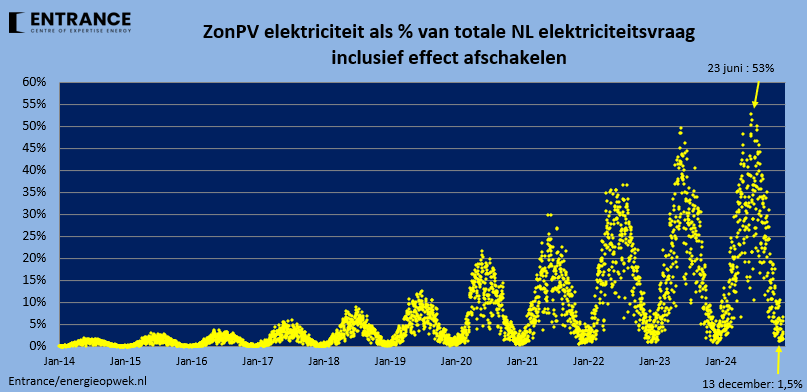
In the summer of 2024, solar PV accounted for up to 53% of Dutch electricity demand on specific high-production days. This milestone underscores the growing importance of solar energy in the nation’s power supply and highlights the potential for even greater contributions during peak periods. Despite occasional curtailments, this achievement reflects the increasing role of solar energy in shaping a more sustainable future. Looking ahead, solar PV’s contribution is expected to rise further in 2025, supported by innovative grid management and energy export strategies.
Accelerating Solar Energy Growth in the Netherlands
The Netherlands has been rapidly scaling up its solar capacity. According to the Global Market Outlook for Solar Power, the country added 3.9 GW of solar PV capacity in 2022. By 2030, projections suggest this figure could grow to between 42 and 76 GW, driven by targeted government policies and subsidies promoting renewable energy. This remarkable growth positions the Netherlands as a leader in renewable energy transformation, showcasing how strategic investments can reshape the energy landscape.
Overcoming Challenges: Land Use and Grid Stability
While the rapid expansion of solar energy is promising, it brings challenges. Land availability, particularly for large-scale solar farms, poses a significant barrier. A recent report revealed that only 1.2% of Dutch land is allocated for solar energy, with increasing competition from agriculture and urban development further complicating matters. Clarifying policies on agricultural land use for solar installations is essential to address these concerns.
Additionally, integrating solar energy into industrial processes, mobility, and heating sectors requires comprehensive frameworks to unlock its full potential. The phenomenon of negative electricity prices during peak production times also presents a challenge. Innovative solutions, such as advanced energy storage systems, real-time demand management, and flexible consumption policies, are vital. For instance, battery systems could store excess energy during peak production and release it during high-demand periods, stabilizing the grid and maximizing solar power’s value.
Environmental Impact and Leadership in Europe
The Netherlands’ commitment to solar energy has significant environmental benefits. By 2023, nearly half of its electricity was sourced from renewables, with solar energy playing a major role. This shift reduces reliance on fossil fuels and positions the Netherlands as a European leader in renewable energy. Initiatives like the SDE++ subsidy scheme, which supports large-scale renewable projects and CO2-reducing technologies, further cement the Netherlands’ leadership in sustainable energy development.
Opportunities for Innovation and Integration
As solar capacity grows, opportunities for innovation expand. Investments in energy storage, enhanced grid infrastructure, and cross-sector integration will be critical to optimizing solar power’s potential. The forthcoming end of the salderingsregeling (net metering scheme) in 2027 introduces both challenges and opportunities. While it may temporarily deter new investments in solar panels, it also paves the way for innovative financial models and energy-sharing initiatives that could redefine the renewable energy landscape.
Shaping the Future of Renewable Energy
The Netherlands is at the forefront of Europe’s solar energy revolution. With continuous growth, the country is poised to surpass its renewable energy targets. However, this requires addressing challenges such as public support for solar projects, land use conflicts, and the financial burden of transitioning to a sustainable energy system. Strategic planning and robust policy frameworks will be essential to achieving these goals.
Conclusion: A Blueprint for Global Sustainability
The Netherlands’ solar energy journey offers valuable lessons for the world. Through a combination of strategic investments, supportive policies, and innovative solutions, the country is not only meeting its renewable energy goals but also setting a benchmark for others. As the Netherlands advances its solar agenda, it serves as a beacon for nations striving toward a cleaner, more sustainable future.
What lessons from the Netherlands’ solar energy journey can other nations adopt to accelerate their transition to renewable energy?


 About Energy & Water
Leave a comment