English translation of Dutch blog post from 2018
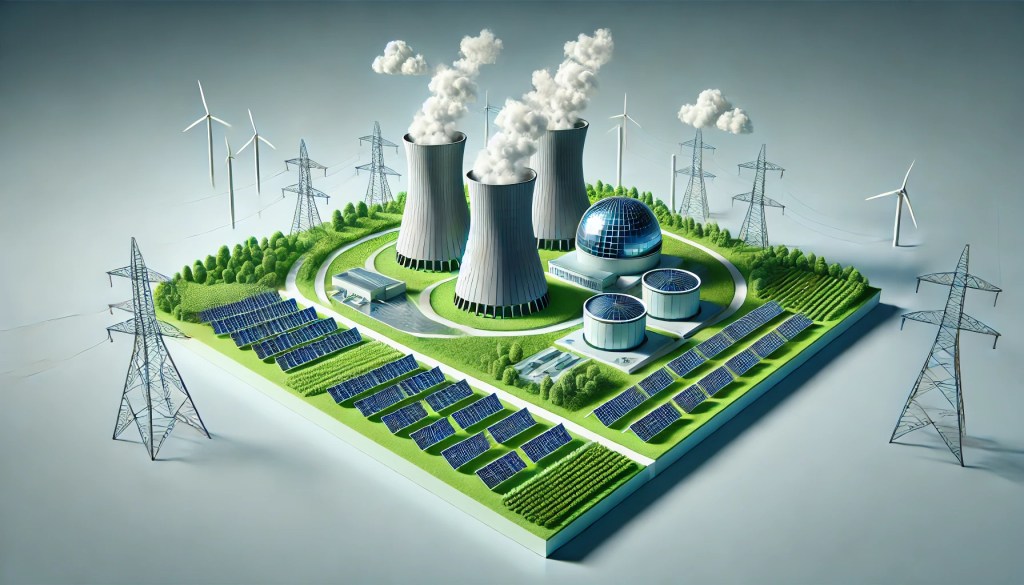
In recent months, I’ve been asked frequently about my opinion on nuclear energy. Some argue it could be “a solution” or even “the solution” to our energy challenges. Others inquire about modern thorium reactors, often asserting their safety without much nuance. Let me clarify: I am not an opponent of nuclear energy, but neither am I an uncritical supporter. Considering the Netherlands is a small country, I doubt that nuclear energy produced domestically will play a significant role in our energy transition. I don’t believe the Borssele nuclear power plant should be closed; in fact, we might consider adding a few gigawatts of capacity at that location. However, before forming a strong opinion, let’s start by putting nuclear energy into perspective through some calculations.
Nuclear Energy by the Numbers
According to the International Atomic Energy Agency (IAEA), as of January 1, 2018, there were 448 nuclear reactors in operation across 30 countries, with more than 60 under construction, primarily in Asia. Of these, about 100 are in the United States and 58 in France, with a combined installed capacity of 392 gigawatts. In 2012, nuclear power accounted for approximately 10% of global electricity production—not to be confused with total energy consumption.
Nearly all of these 448 reactors were funded by governments, which have the advantage of borrowing money at low interest rates. Additionally, in many countries, there is significant overlap between nuclear power R&D and nuclear weapons R&D, making it difficult to allocate costs exclusively to civilian nuclear energy.
In the United States, initial projections envisioned 1,200 nuclear power plants by the year 2000. In reality, there are only 104. The Union of Concerned Scientists (UCS) released a report in February 2011 titled Nuclear Power: Still Not Viable Without Subsidies, highlighting that the nuclear industry has relied heavily on government subsidies for over 50 years. Without such financial support, most of those 104 plants would not have been built. This underscores not just the familiar concerns about safety and waste, but also significant economic challenges.
Cost Analysis: CAPEX and OPEX of Nuclear Power
Nuclear energy is capital-intensive. According to the IAEA’s Climate Change and Nuclear Power 2013 report (pages 35–39), the operational costs (OPEX) of nuclear power range between €0.03 and €0.11 per kWh, depending on factors such as financing and interest rates on investments of €5–10 billion per reactor. For comparison, solar power is expected to drop to around €0.025 per kWh, with wind energy stabilizing at €0.04–€0.05 per kWh.
Gas and coal-fired power plants remain far cheaper in both capital expenditures (CAPEX) and OPEX. While nuclear plants can generate massive amounts of energy, their high CAPEX makes them expensive. For instance, reactors like Fukushima (Japan) and Chernobyl (Ukraine) had capacities of 4.7 GW and 4 GW respectively, compared to Borssele’s modest 485 MW, which meets only about 4% of Dutch electricity demand (a figure often confused with total energy consumption).
Globally, nuclear energy accounts for only 4.5% of total energy consumption. If the world were to rely entirely on nuclear power, we would need approximately 8,000 additional reactors—a nearly impossible feat given the immense investment required. At an estimated cost of €4.5 billion per 1,500 MW, nuclear power is far from “cheap.” In comparison, gas-fired plants cost around €0.7 million per MW, while solar and wind installations range between €1–€1.5 million per MW. Safety, radioactive waste, and uranium availability aren’t even necessary arguments—nuclear power is simply too expensive.
Nuclear Energy in the Netherlands
Let’s apply this to the Dutch context. To meet current electricity demand, we would need about ten 1.5 GW nuclear reactors (at a cost of €45 billion) or 20 reactors the size of Borssele. However, with increasing electrification—due to climate policies and the rise of electric vehicles—demand could double or even triple. This would require 20–30 medium-sized reactors or five to ten Fukushima-scale plants.
Would you want one of these massive reactors in your backyard? Personally, I wouldn’t.
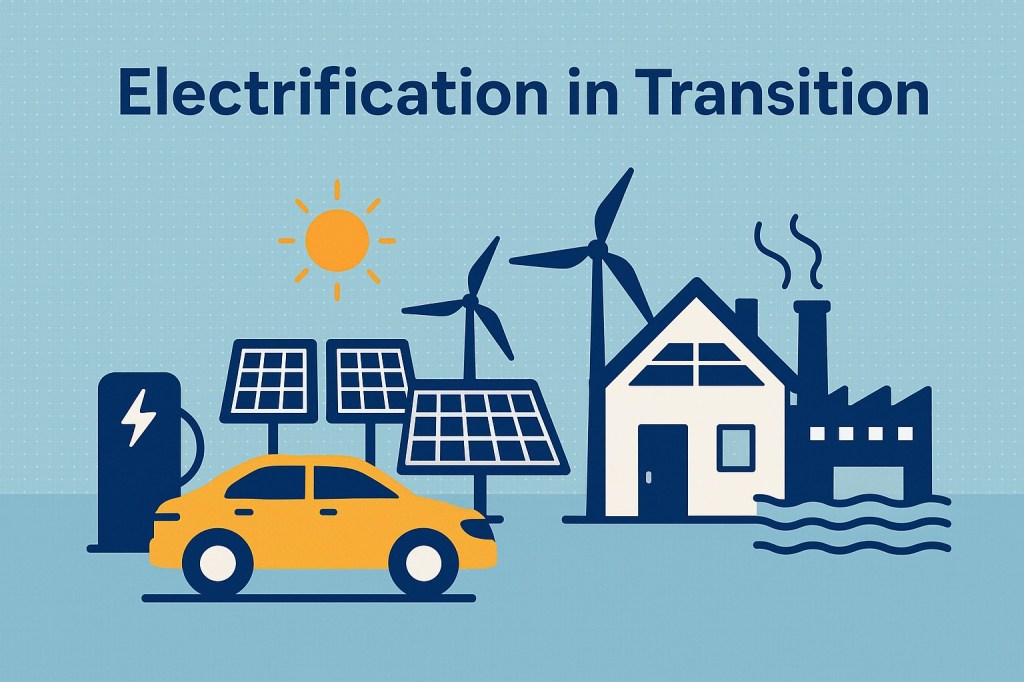
Moreover, electricity accounts for only 16% of the Netherlands’ total energy consumption. Most of our energy comes from natural gas and crude oil. Electrifying transport and heating with technologies like heat pumps will require another €100–€200 billion over several decades. Realistically, there is little political will—or public support—to spend €50–€100 billion on dozens of nuclear reactors in the Netherlands. This makes relying solely on electrification impractical.
The Need for Chemical Energy Carriers
I am a proponent of partial electrification but oppose an “all-electric” future. While we can double or even triple electricity consumption, we cannot eliminate the need for sustainable chemical energy carriers. Options like methane, methanol, ammonia, or formic acid seem the most logical—not hydrogen, which remains inefficient.
In conclusion: Nuclear power is not a panacea. Its high costs and the sheer scale of investment required make it unlikely to play a leading role in the Netherlands’ energy transition. A balanced approach combining electrification with sustainable chemical energy carriers is the most realistic path forward.

 About Energy & Water